
Products / OL Integration
OL Integration
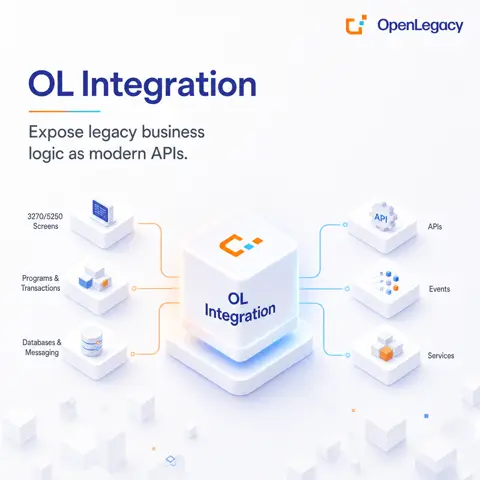
Turn mainframe, IBM i, and on-prem programs, transactions, screens, and databases into tested APIs and events: connect, design contracts and flows, generate, deploy, and monitor without changing the host.
OL Integration turns business logic that already runs on mainframe, IBM i, and long-running on-prem systems into typed APIs and events, without changing the host. Teams connect a backend, capture its programs, transactions, screens, and database operations as tested assets, design a contract and flows on top of them, then generate, deploy, and monitor the resulting service. The same design can be published as REST, Kafka, IBM MQ, SOAP, serverless, or file endpoints.
Key capabilities
-
API
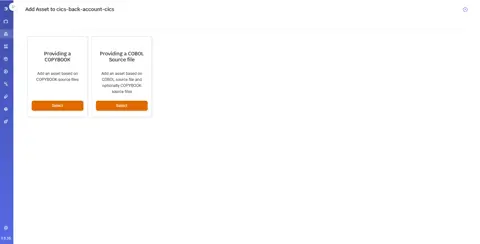
Asset ManagementDiscover, version, and test connector assets inside modules, the metadata catalog of legacy operations that methods invoke.
-
API
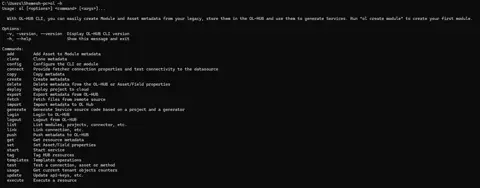
CLI for AutomationAutomate Hub with the `ol` CLI, create modules, push/pull metadata, test assets, generate services, and deploy from CI/CD.
-
AI
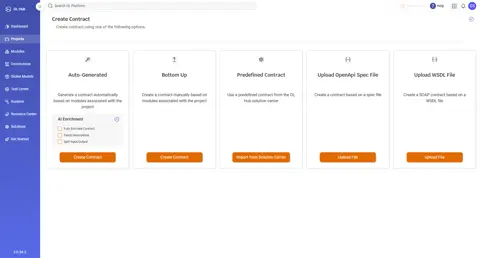
Contract-First & Friendly APIsDefine Hub contracts as the API source of truth, then enrich with AI, readable names, descriptions, and specs agents can use.
-

API
Database pollerPoll Oracle, SQL Server, DB2 z/OS, or IBM i DB400 on a schedule, feed each result row into a method flow, and optionally update or clear rows after processing.
-
API
IBM i (AS/400) connectorsConnect IBM i programs, 5250 screens, data queues, DB2 for i, and JD Edwards functions as APIs: RPC, COBOL, PCML, and DB400.
-
API
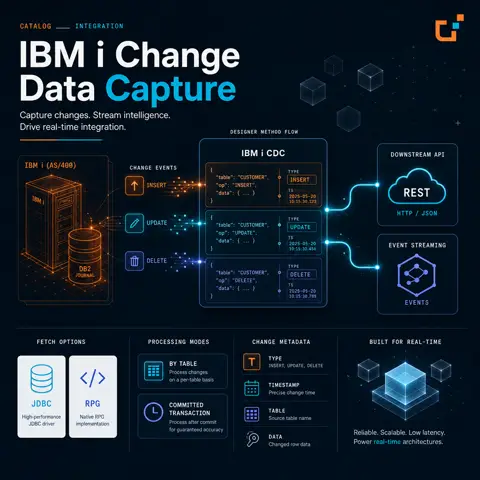
IBM i Change Data CaptureCapture IBM i (AS/400) DB2 inserts, updates, and deletes from journals and process each change in a Designer method flow: JDBC or RPG fetch, by table or by transaction.
What it enables
OL Integration turns business logic that already runs on mainframe, IBM i, and long-running on-prem systems into typed APIs and events, without changing the host. Teams connect a backend, capture its programs, transactions, screens, and database operations as tested assets, design a contract and flows on top of them, then generate, deploy, and monitor the resulting service. The same design can be published as REST, Kafka, IBM MQ, SOAP, serverless, or file endpoints.
Part of the OpenLegacy platform
Run it from one governed plane
Govern, deploy, and operate this product with the rest of the suite — managed or on-prem.